


Exploring the Benefits of Cord Stem Cells for Health and Wellness

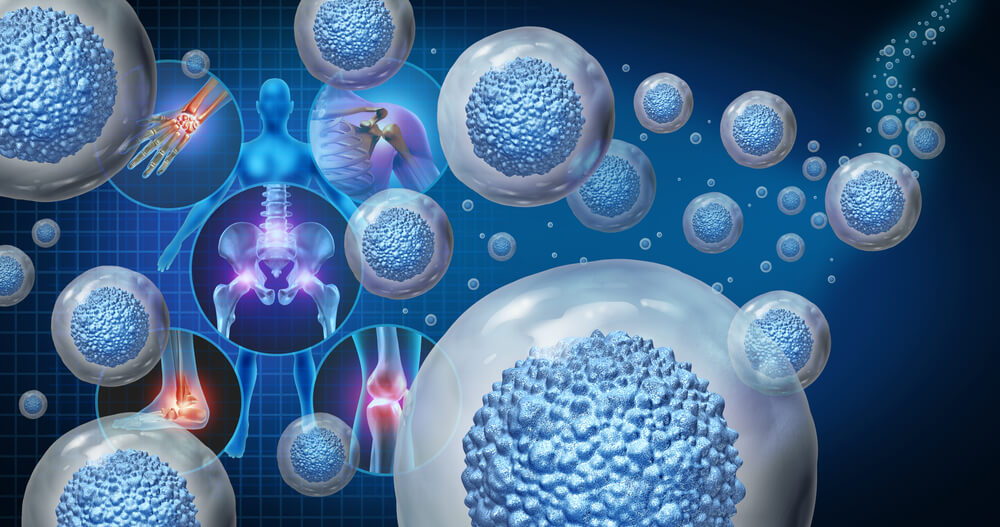
In recent years, advancements in medical science have brought to light the incredible potential of cord stem cells for health and wellness. These unique cells, found within the umbilical cord, possess remarkable properties that make them a valuable resource in regenerative medicine. As research progresses, the myriad benefits and applications of cord stem cells continue to expand, offering promising possibilities for treating various medical conditions and enhancing overall well-being.
Understanding Cord Stem Cells
Cord stem cells are derived from the umbilical cord blood and tissue, offering a rich source of hematopoietic and mesenchymal stem cells. These cells are capable of differentiating into a variety of cell types, making them highly versatile for medical applications.
Types of Cord Stem Cells
- Hematopoietic Stem Cells (HSCs): These cells can develop into different blood cell types, playing a crucial role in treating blood-related disorders.
- Mesenchymal Stem Cells (MSCs): Known for their ability to differentiate into bone, cartilage, and adipose tissue, MSCs are pivotal in regenerative therapies.
Benefits of Cord Stem Cells
The utilization of cord stem cells presents a wide array of benefits that underscore their potential in healthcare.
Regenerative Medicine
- Repair and Regeneration: Cord stem cells have been instrumental in repairing damaged tissues and promoting regeneration, offering hope for conditions such as spinal cord injuries and heart disease.
- Treatment of Blood Disorders: HSCs are frequently used in the treatment of leukemia and other blood-related disorders, with successful outcomes in many cases.
Personalized Medicine
- Reduced Risk of Rejection: Using a person’s own cord stem cells minimizes the risk of immune rejection, making treatments safer and more effective.
- Potential for Autologous Therapies: The collection and preservation of cord stem cells allow for future use in personalized medical treatments tailored to individual needs.
Ethical and Practical Considerations
The ethical implications of stem cell use are significantly mitigated with cord stem cells since their collection is non-invasive and does not harm the donor. This aspect makes cord stem cell banking a widely accepted practice.
- Non-Invasive Collection: The collection process occurs at birth and is painless for both mother and child.
- Long-Term Storage: Properly stored cord stem cells retain their viability for many years, ensuring their availability when needed.
Future Prospects and Research
Ongoing research continues to reveal the vast potential of cord stem cells in treating an increasing number of conditions. Scientists are exploring new therapeutic applications, including:
- Neurological Disorders: Studies are underway to evaluate the efficacy of cord stem cells in treating neurological conditions such as Parkinson’s disease and multiple sclerosis.
- Metabolic Conditions: Innovative research is focused on using these cells to address metabolic disorders, including diabetes and liver diseases.
As the understanding of cord stem cells deepens, their role in personalized and regenerative medicine is set to grow exponentially, paving the way for groundbreaking treatments and improved health outcomes.
While the full potential of cord stem cells is still being realized, their current applications and future possibilities highlight their significance in the medical field. As research advances, they promise to revolutionize the way various health conditions are treated, offering hope for a healthier future.