


Interactive Infant Sensory Play Ideas for Development

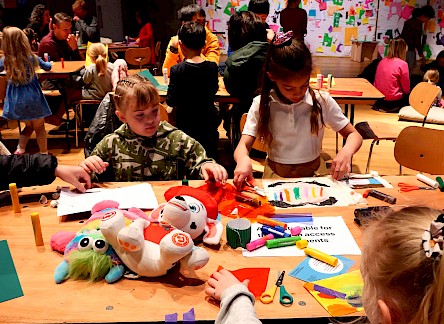
Infant sensory play is a cornerstone of early childhood development, offering a myriad of benefits that aid in cognitive growth and fine motor skills. As infants explore the world around them, their senses play a crucial role in helping them learn and adapt. Sensory play nurtures curiosity, encourages problem-solving skills, and aids in language development. By providing infants with a variety of sensory-rich activities, caregivers can support their developmental milestones in a playful and engaging way.
The Importance of Sensory Play for Infants
Sensory play is essential for infants as it lays the foundation for future learning and development. Through these activities, infants can:
- Develop their sensory processing skills by experiencing different textures, sounds, and sights.
- Enhance their cognitive abilities by exploring cause and effect relationships.
- Improve their fine motor skills as they manipulate objects of various sizes and shapes.
- Stimulate brain development through engaging their senses and encouraging new neural connections.
For more detailed insights into the significance of sensory play, discover expert strategies here.
Interactive Sensory Play Ideas
Tactile Exploration
Tactile activities are perfect for engaging an infant’s sense of touch. Consider incorporating the following ideas into playtime:
- Sensory Bins: Fill a shallow container with safe items such as rice, pasta, or water beads, allowing infants to explore textures. Always supervise to ensure safety.
- Textured Cloths: Offer a variety of fabrics such as silk, cotton, and burlap for infants to feel and compare.
These activities not only provide tactile stimulation but also encourage fine motor development. Learn about our tailored solutions for creating safe and engaging sensory bins.
Auditory Experiences
Sound plays a significant role in sensory development. Engaging an infant”?s auditory senses can be both fun and educational:
- Musical Instruments: Introduce simple instruments like tambourines, maracas, or xylophones.
- Sound Bottles: Fill bottles with different materials like rice or beans to create unique sounds.
These activities can aid in sound discrimination and auditory memory. Explore advanced guides and tips on how to enhance auditory experiences for infants.
Visual Stimulation
Visual stimulation is crucial for developing an infant’s sight and attention to detail. Consider these activities:
- Contrasting Cards: Use black and white cards or colorful patterns to attract and hold an infant”?s gaze.
- Mirrors: Provide a safe mirror for infants to explore reflections and self-awareness.
These exercises can improve visual tracking and recognition skills. Find out more about this approach by visiting this page.
Incorporating Sensory Play into Daily Routines
Integrating sensory play into daily routines doesn’t have to be complex. Simple activities such as bath time or meal preparation can be transformed into sensory experiences:
- Bath Time: Use scented soaps, textured sponges, and colorful bath toys to engage multiple senses.
- Cooking Together: Allow infants to touch, smell, and even taste safe food items as part of meal prep.
These everyday moments offer valuable opportunities for sensory exploration and bonding. For more practical tips, learn about our tailored solutions.
Conclusion
Implementing sensory play ideas into an infant’s routine is not only beneficial for their development but also an enjoyable way to bond and learn together. By providing diverse and safe sensory experiences, caregivers can significantly contribute to an infant’s growth and readiness for future learning stages. For further assistance and resources on sensory play, discover expert strategies here.