


NDIS Behaviour Support: What You Need to Know

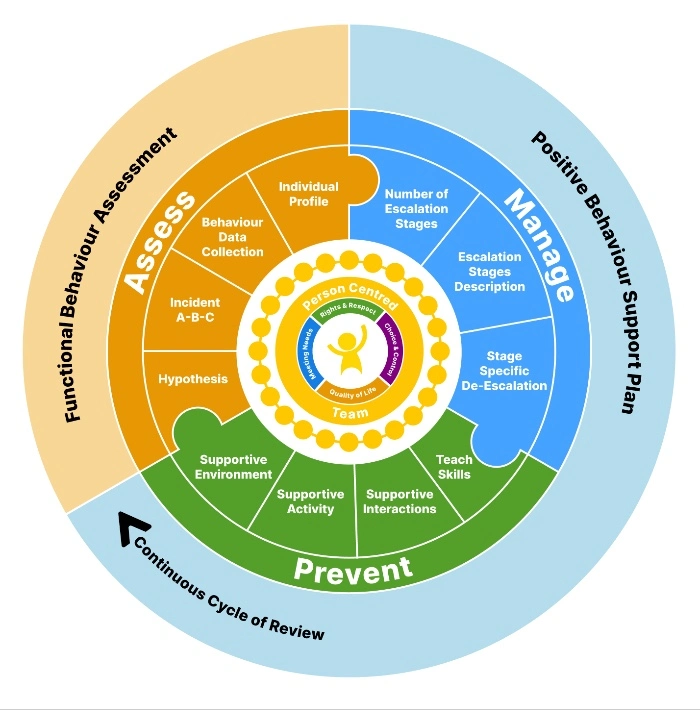
The National Disability Insurance Scheme (NDIS) has been instrumental in providing support and services to individuals with disabilities in Australia. Among the myriad of services offered, NDIS Behaviour Support aims to enhance the quality of life for participants through evidence-based practices. Understanding the components and objectives of behaviour support within the NDIS framework is crucial for participants, families, and support providers. This article delves into the key elements of NDIS Behaviour Support, its implementation, and what it means for those involved.
Understanding NDIS Behaviour Support
Behaviour Support under the NDIS is designed to address challenging behaviours and improve the overall well-being of participants. This support plan is tailored to meet the unique needs of each individual, focusing on positive behaviour strategies and interventions.
Core Objectives
The primary goals of NDIS Behaviour Support include:
- Reducing the incidence and impact of challenging behaviours.
- Enhancing the participant”?s ability to engage positively in their community.
- Promoting the development of new skills and adaptive behaviours.
For a deeper understanding of the core objectives, read more about this topic.
Components of Behaviour Support Plans
A Behaviour Support Plan is a comprehensive document that outlines specific strategies and interventions. Key components include:
- Functional Behaviour Assessment (FBA): An analysis that identifies the reasons behind challenging behaviours.
- Intervention Strategies: Tailored approaches designed to address specific behaviours and promote positive outcomes.
- Outcome Monitoring: Regular tracking and evaluation of the participant”?s progress and the effectiveness of interventions.
To explore further insights, learn more in this detailed guide.
Role of Behaviour Support Practitioners
Behaviour Support Practitioners play a crucial role in the NDIS framework. They are responsible for developing, implementing, and monitoring behaviour support plans. Their expertise ensures that interventions are both ethical and effective.
Responsibilities
- Conducting thorough assessments and understanding the participant’s needs.
- Collaborating with families, caregivers, and other professionals to create holistic support plans.
- Ensuring compliance with NDIS guidelines and ethical standards.
Find additional information here about the role and responsibilities of Behaviour Support Practitioners.
Implementing and Monitoring Behaviour Support
Successful implementation of a behaviour support plan requires collaboration among all stakeholders, including the participant, family members, support workers, and practitioners. Regular monitoring and adjustments ensure that the plan remains effective and aligned with the participant”?s evolving needs.
For a comprehensive understanding, explore further insights here.
Conclusion
The NDIS Behaviour Support framework is a vital component of providing holistic care to individuals with disabilities. By focusing on reducing challenging behaviours and enhancing quality of life, it ensures that participants can engage more positively with their communities. A thorough understanding of the objectives, components, and roles involved in behaviour support can significantly impact the lives of participants and those who support them. For more detailed information, find additional information here.