


The Power of Ivermectin 1.2 Percent Gel for Treating Rosacea

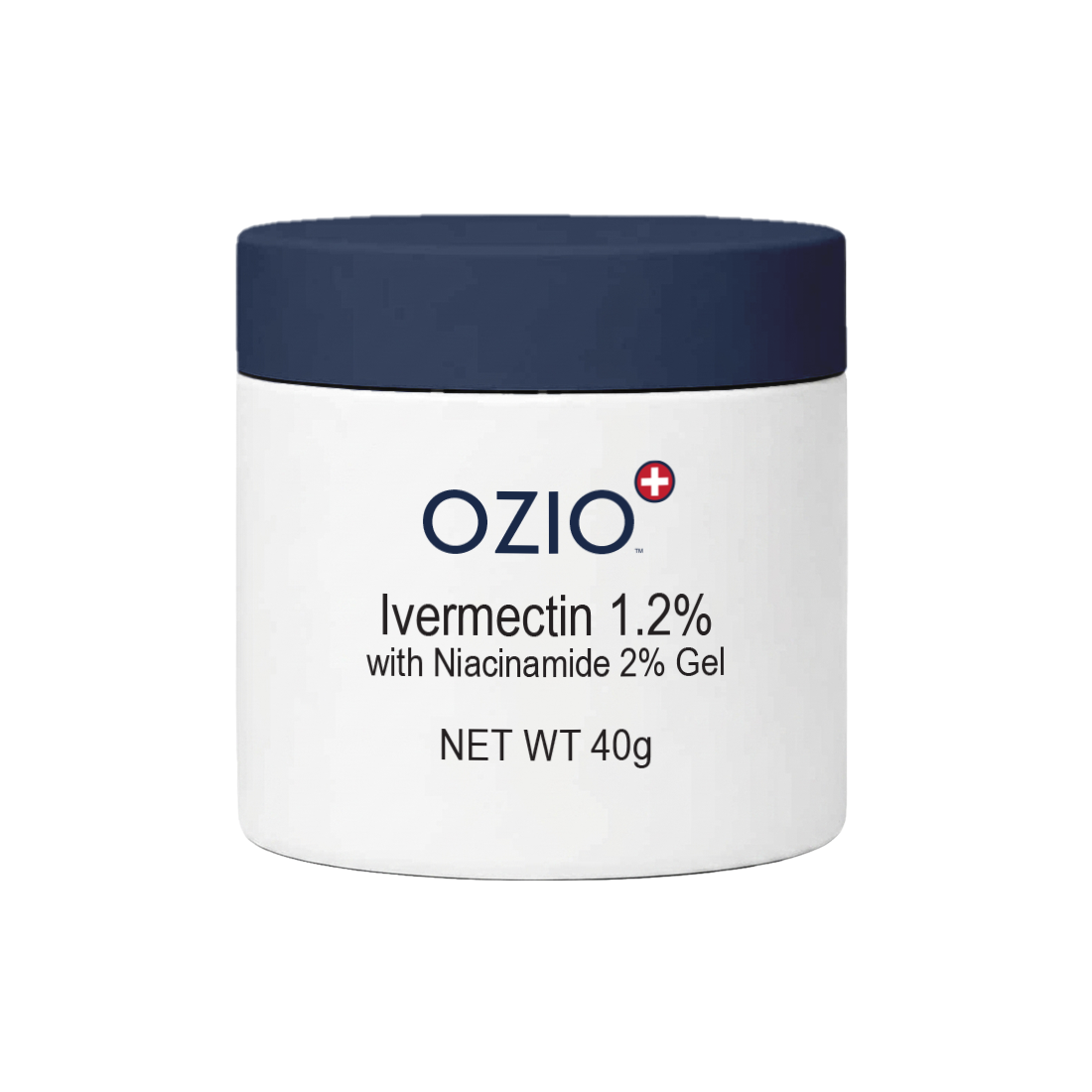
Rosacea is a chronic skin condition that affects millions of people worldwide. Characterized by redness, visible blood vessels, and sometimes acne-like bumps, it can be a source of discomfort and self-consciousness. While the exact cause of rosacea remains unknown, treatments have been developed to manage its symptoms effectively. One such treatment is the use of ivermectin 1.2 percent gel, which has gained attention for its efficacy in controlling rosacea symptoms. This article explores the benefits and application of ivermectin gel in managing this common skin condition.
Understanding Ivermectin 1.2 Percent Gel
Ivermectin is an antiparasitic agent that has been used in various medical contexts. Its application in dermatology, particularly in treating rosacea, is relatively recent. The 1.2 percent concentration of ivermectin in gel form offers a targeted approach to managing the inflammatory symptoms associated with rosacea.
Mechanism of Action
The effectiveness of ivermectin gel in treating rosacea stems from its dual action:
- Anti-inflammatory properties that help reduce redness and swelling.
- Antimicrobial effects targeting Demodex mites, which are believed to contribute to rosacea flare-ups.
Benefits of Ivermectin Gel for Rosacea
The use of ivermectin niacinamide gel has been associated with several benefits for those suffering from rosacea:
- Reduction in the number of papules and pustules.
- Improvement in skin texture and tone.
- Decrease in skin discomfort, such as itching and burning sensations.
- Enhanced overall quality of life due to improved skin appearance.
Application and Usage
Proper application of ivermectin gel is crucial for maximizing its benefits. It is typically recommended to apply the gel once daily, preferably at night, to the affected areas. Consistency in application enhances the gel’s effectiveness in managing symptoms over time.
Considerations and Side Effects
While ivermectin gel is generally well-tolerated, some users may experience mild side effects. These can include:
- Skin irritation or dryness.
- Burning or stinging sensation upon application.
- Temporary worsening of symptoms in the initial phase of treatment.
It is advisable to consult with a dermatologist to ensure the suitability of ivermectin gel for individual skin types and conditions.
Conclusion
The introduction of ivermectin 1.2 percent gel has provided a valuable option for individuals seeking to manage the symptoms of rosacea effectively. Its ability to reduce inflammation and target potential underlying causes makes it a promising treatment. For those considering this option, further information can be found by exploring reputable sources, such as this .