


The Process of Radon Mitigation in Denver Homes

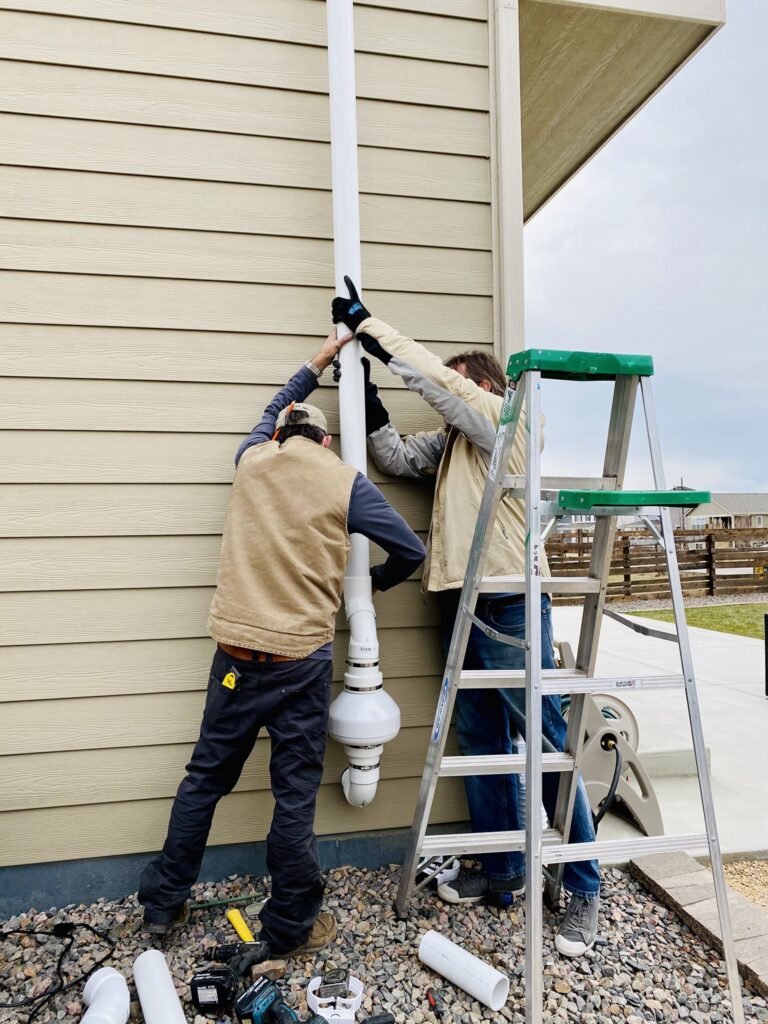
Radon mitigation is an essential process for homeowners in Denver, where the natural rock formations and soil conditions can contribute to elevated radon levels. Understanding the steps involved in radon mitigation can help homeowners ensure a safer living environment. This article delves into the process of radon mitigation, highlighting key aspects that homeowners should be aware of to effectively manage radon levels in their homes.
Understanding Radon and Its Risks
Radon is a colorless, odorless radioactive gas that arises from the natural decay of uranium in soil, rock, and water. It can seep into homes through cracks and gaps in the foundation, posing significant health risks such as lung cancer. The Environmental Protection Agency (EPA) identifies radon as the second leading cause of lung cancer in the United States.
The Radon Mitigation Process
Initial Radon Testing
The first step in radon mitigation is to conduct thorough radon testing. Homeowners can choose between short-term and long-term testing kits to measure radon levels in their homes. It is crucial to:
- Use EPA-recommended testing kits for accurate results.
- Test in the lowest level of the home that is regularly used.
- Repeat tests periodically to monitor radon levels over time.
For more detailed guidance, discover expert strategies here.
Designing a Mitigation System
Once elevated radon levels are confirmed, a custom mitigation system needs to be designed. This system typically includes:
- A vent pipe system and fan which pulls radon from beneath the house and vents it to the outside.
- Sealing cracks and openings in the foundation to prevent radon entry.
- Regular maintenance checks to ensure the system functions effectively.
Learn about our tailored solutions to address specific needs in Denver homes.
Installation of Mitigation Systems
The installation of radon mitigation systems should be carried out by certified professionals to ensure safety and compliance with local regulations. Key considerations include:
- Choosing the appropriate type of mitigation system for the home”?s structure.
- Ensuring the system is installed in accordance with EPA guidelines.
- Minimizing noise levels from the mitigation system, especially when installed indoors.
To explore advanced guides and tips, visit the dedicated resources available online.
Post-Mitigation Testing and Maintenance
After the mitigation system is installed, post-mitigation testing is crucial to verify its effectiveness. It involves:
- Conducting follow-up radon tests to ensure levels are reduced to acceptable limits.
- Regular maintenance of the mitigation system to prevent future issues.
- Educating homeowners on monitoring and maintaining the system.
To find out more about this approach, consider consulting with local experts who can provide ongoing support and maintenance services.
Why Radon Mitigation is Important for Denver Homes
Given Denver’s distinct geological characteristics, homes in this region are particularly susceptible to high radon levels. Effective radon mitigation not only protects health but also enhances home value and peace of mind. By understanding the process and taking proactive measures, homeowners can significantly reduce the risks associated with radon exposure.
For homeowners in Denver seeking to address radon concerns, leveraging expert resources and professional services is essential. Through informed decision-making and proper implementation of mitigation techniques, a safer and healthier home environment can be achieved.